
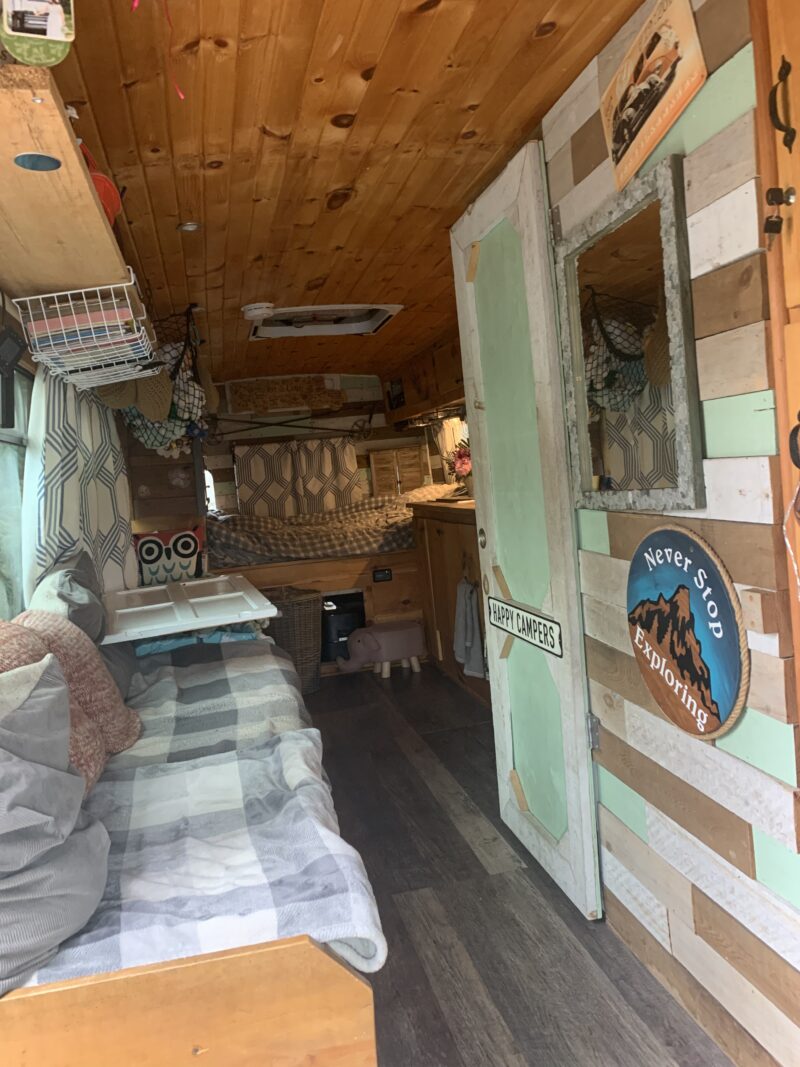
How to Change Classification from a Commercial Vehicle to a Motor Home in Ontario
When I say that changing classification was our biggest hurdle to overcome during our shuttle bus build process would be an understatement. Changing classification on vehicles can be confusing and time consuming. Doing research online doesn’t always give you the exact information you need for where you live. Guidelines and rules also change often, so even this article may be outdated once you come upon it. But, I wanted to share our experience as a jumping off point for those still in the research phase of converting a bus into a motor home. Throughout this process, it is crucial to understand how to change classification effectively.
Let’s Break It Down
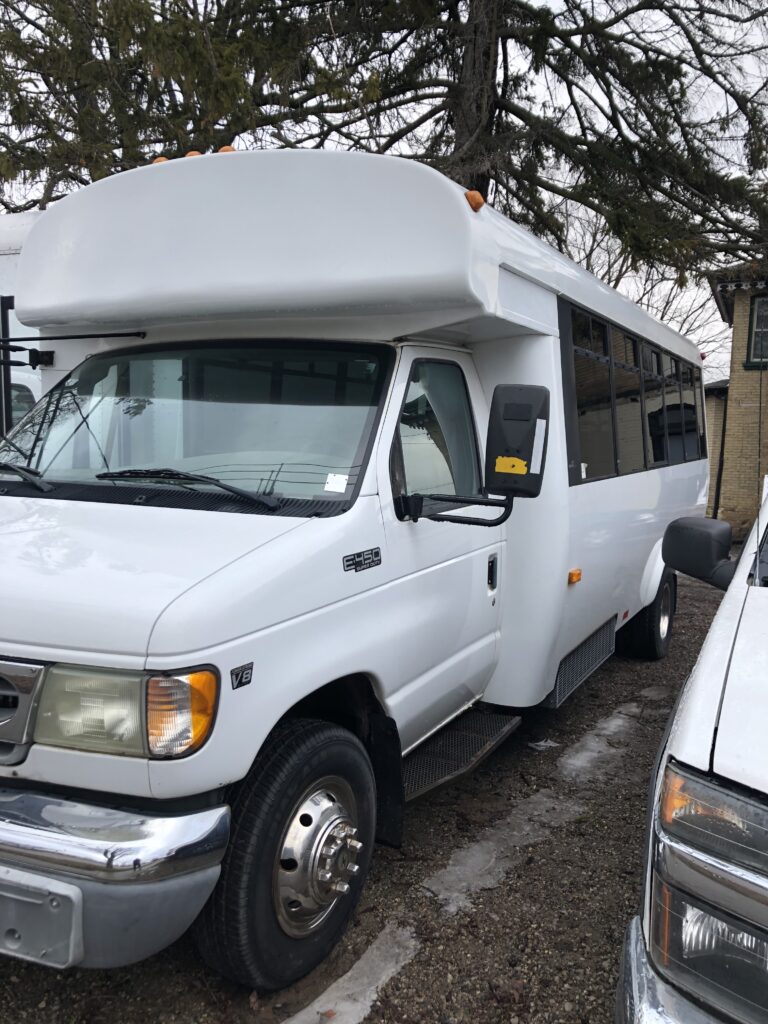
Once you have found your perfect bus, purchasing it and having the ownership signed over is the first step. Next is to have it towed to the spot you plan to do your conversion. Though these seem obvious, some people may have never bought a second hand vehicle before. Securing the spot to do your conversion also needs to be one of the first steps. Corey and I were always keeping our eye out for the perfect bus, but options were limited near us. So when Grace (our bus) miraculously appeared over a year later, we were glad to have our spot already set up which ensured no delays. (Delays still did occur throughout the build… some completely out of our control.)
Build Specifics
In Ontario, there is a specific criteria that needs to be met to change the classification of a vehicle. Knowing the requirements to change classification can save you time and stress. For motor homes specifically, it is as follows:
- Cooking facilities
- A refrigerator or icebox
- A self-contained toilet
- Heating or air conditioning system that runs independently from the vehicle engine
- A potable water supply system that includes a faucet and sink
- An independent electrical source like a solar power system
We were required to have four out of the six to officially change the classification. If I remember correctly, we had everything complete except our solar power system. We had all of our wiring complete and inverter installed. We just needed to acquire a battery and our solar panels.
Once that work was complete, we then needed to provide a ‘Written Declaration’ that included the:
- Model
- Year
- VIN
- Description of Change
- Equipment that has been installed and removed
- The changes you made that fit the motor home classification (4-6 of the items from above)
Then you sign it, date it and bring to your local Service Ontario to change the classification. At this time, you would also change the ownership to your name. In order to do that, you need to provide:
- the ownership signed over to you
- Proof of purchase or bill of sale
Now, here is where it depends on where you are and your situation. We completed all of these steps before getting a safety done and calling around to insurance companies. I remember feeling deflated when I realized I couldn’t get plates for an “unfit” vehicle. This was just over a year into our build, so the anticipation of checking one more thing off the list was shut down quite abruptly. Understanding how to change classification is essential for all vehicle owners in Ontario.
I have since attributed this to being a stay at home mom to a toddler, while working as a commercial cleaner in the evenings and weekends, while building a bus out every Sunday, all the while a global pandemic was happening. The amount of to do lists I had on the go amazed even me! But, we were closer to the finish line.
The Last Few Steps
Once the ownership is in your name and the classification has been changed from bus to RV/motor home, it is time for a safety. One hurdle we found was finding a shop that would take Grace in the first place. We had a pre-safety check done at a commercial repair shop and the list was a page long. That little piece of paper cost us over $600, with nothing fixed.
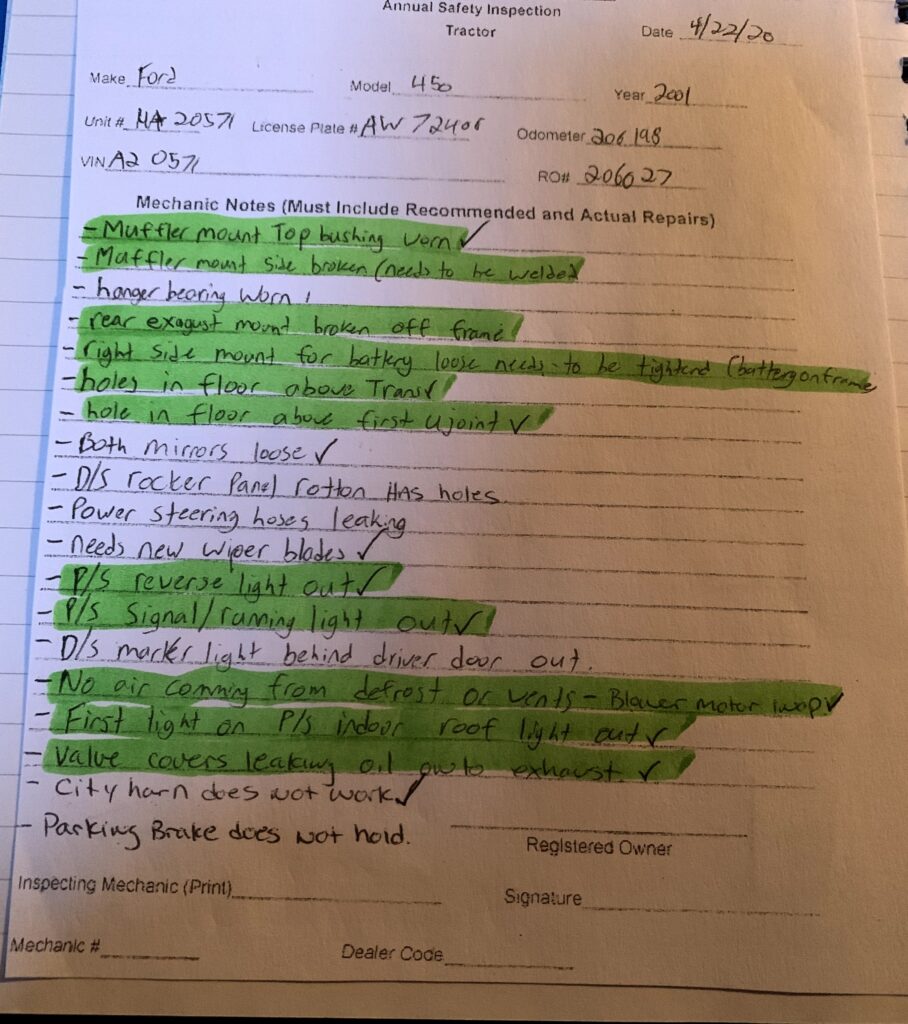
After many phone calls and hearing ‘sorry, but no’ a lot, we found a shop not too far from here. We had it towed and anxiously waited four days for the full breakdown of what Grace would need for her safety. Luckily, the shop we picked was fair, good at what they do and charged appropriately. Five days later, we handed over $2600 and change and we had our safety. Very exciting feeling! I was so happy to walk into Service Ontario to prove she was fit! Now the last step: Insurance.
Again, insurance is one of those things that will depend on where you are. In Ontario, we have many options, but we were lucky enough to have a great agent already. One phone call to her and she was able to secure us a company that was willing to insure us. Being a custom built vehicle does limit your options when it comes to who is willing to take you on. The first two years, we were paying close to $200 a month. Now we pay $152 a month, which we find reasonable when compared to house/apartment insurance and property taxes. That being said, we did have one last hurdle before we were officially insured: an appraisal had to be performed to know the value of the bus.
We found a guy who came out to us within the week. He took all the pictures, took a gazillion notes, took his money and emailed me a week later with his report. We forwarded it to our insurance agent, she did her thing and we were officially insured a few days later. One final visit to Service Ontario to show proof of insurance and get our plates. Phew! What a process! But we did it! And we did our best to take each step (or misstep) in stride and move forward with what was next. Almost five years since we finished our bus build to the point we could move in and have learned so much more in that time.
It Will Be Worth It
The best advice I can give you when you’re in the research phase and it all just seems overwhelming is to take it one step at a time. All of those to do lists I mentioned were broken down into bite size pieces and in chronological order. If you’re doing this with a partner, then have those conversations about who is going to take on which steps and play to each other’s strengths. We did our best to work as a team, which you can see here in a short visual of our beginning stages.
Changing the classification from a commercial vehicle to a motor home will vary depending where you live, so do your research, stop by your local office that handles vehicle registrations and get to work. I promise it will be worth it in the end.